
How the Paver Installation Process Works Step-by-Step
People searching for how the paver installation process works step-by-step are typically looking to understand the project, and local contractors can help ensure a smooth, professional installation.
Understanding how the paver installation process works step-by-step can help property owners make informed decisions when planning outdoor improvements. Whether preparing for a new patio, walkway, or driveway, knowing the general stages involved provides clarity and confidence in working with local contractors. Property owners in the area often explore this topic to better understand what to expect, ensure the project aligns with their vision, and identify the right professionals for the job.
Local contractors experienced in paver installation can guide property owners through each phase of the process, from initial site assessment to final finishing touches. This knowledge helps ensure the project proceeds smoothly and results in a durable, attractive surface. As readers continue exploring, they’ll find practical insights into how local pros handle each step, making it easier to compare options and connect with the right service providers for their specific needs.
- Patio or walkway installations - homeowners needing durable outdoor surfaces rely on local contractors to handle the entire process from site prep to finishing touches.
- Driveway paving projects - individuals seeking to improve curb appeal and functionality can find local pros experienced in step-by-step paver installation.
- Pool deck paver setups - property owners wanting a safe, attractive area around a pool benefit from local service providers familiar with proper installation procedures.
- Landscape enhancement projects - landscapers or homeowners planning to add paved features can connect with local contractors skilled in precise, step-by-step installation.
- Commercial paving applications - business owners requiring durable paved surfaces for parking lots or walkways can work with local pros knowledgeable in the paver installation process.
When homeowners search for how the paver installation process works step-by-step, they are often trying to understand what to expect when planning a new outdoor surface or upgrade. This topic relates to projects such as creating a driveway, patio, walkway, or pool deck using pavers, which are popular for their durability and aesthetic appeal. Many property owners are seeking clarity on each phase of the process to ensure their project runs smoothly and to identify when professional help might be needed. Understanding the typical steps involved helps homeowners prepare for their project and communicate effectively with local contractors who specialize in paver installation.
The process usually begins with a consultation and site assessment, where a service provider evaluates the property’s layout, soil conditions, and drainage needs. This initial step helps determine the best type of pavers and installation techniques suited for the specific property. Common problems that influence the process include uneven ground, poor drainage, or existing surfaces that need removal or preparation. Homeowners often have plans for a new driveway, a decorative patio, or a functional walkway that enhances their property’s usability and curb appeal. Recognizing these plans and potential challenges ensures that local contractors can tailor their approach to meet the specific requirements of each project.
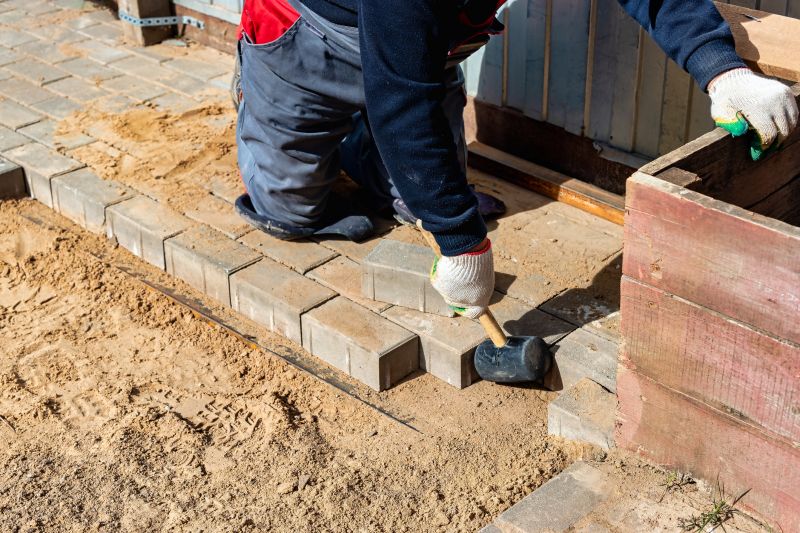
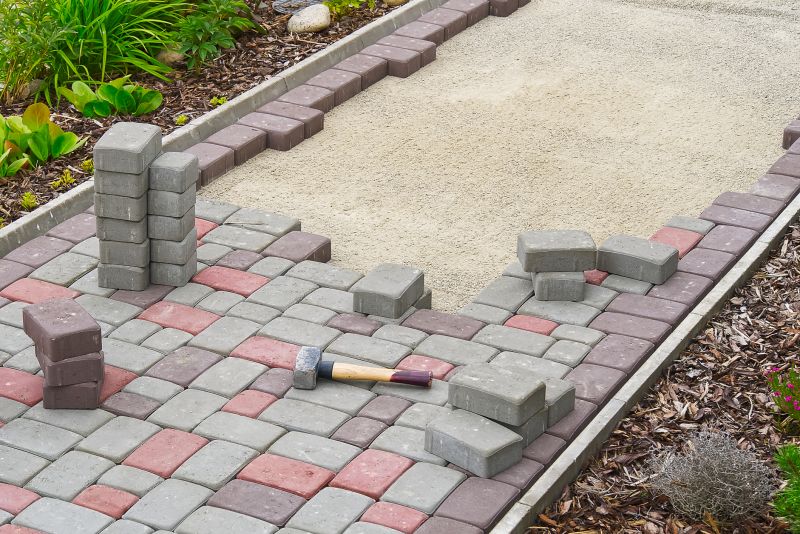
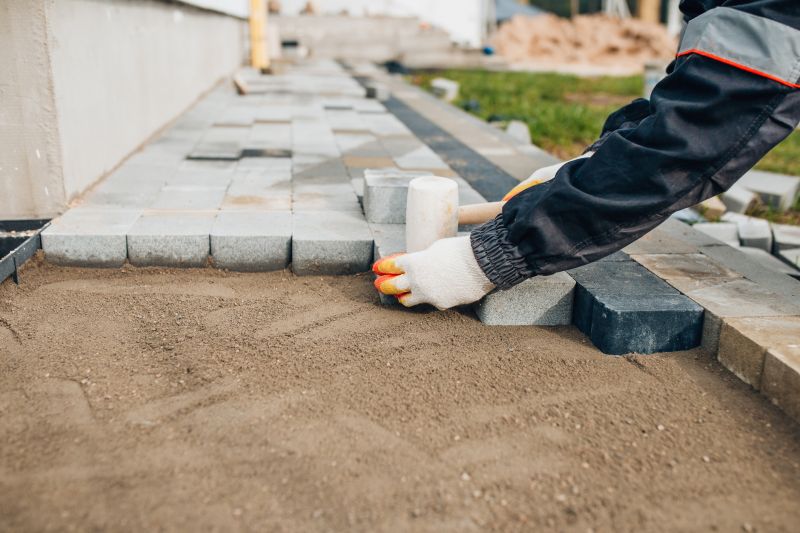
The typical paver installation process involves several key phases. After site assessment, the area is cleared and excavated to create a stable foundation. This is followed by the installation of a base layer of compacted gravel or crushed stone, which provides stability and drainage. A layer of sand is then spread evenly to serve as the bed for the pavers. The pavers are carefully laid in a pattern chosen by the homeowner, ensuring proper alignment and spacing. Once all pavers are in place, a jointing material is added to lock everything together, and the surface is compacted to ensure durability. Local service providers excel at managing each of these steps efficiently to deliver a finished surface that is both functional and attractive.
Throughout the entire process, homeowners benefit from working with experienced local contractors who understand the nuances of paver installation and the specific needs of their property. These professionals handle the technical aspects, such as site preparation, proper base installation, and finishing touches, ensuring the project meets industry standards. They also advise on the best materials and design options to match the property’s style and the homeowner’s goals. By engaging with local pros, homeowners gain confidence that their project will be completed correctly, with attention to detail at each step. This collaborative approach helps ensure a successful installation that enhances the property’s value and usability for years to come.
Driveway Paving Projects - these projects require similar planning, site preparation, and precise placement of paving materials handled by local contractors skilled in paving techniques.
Patio and Outdoor Living Space Installations - installing patios involves similar surface leveling, base preparation, and material layout as paver installation services.
Walkway Construction - constructing durable walkways involves planning, excavating, and laying pavers or stones with attention to detail, often performed by the same type of local service providers.
Retaining Wall Building - building retaining walls requires site assessment, foundation work, and precise placement, skills shared with paver installation projects.
Landscape Design and Hardscaping - designing and installing hardscapes involves planning, material selection, and installation techniques comparable to paver installation processes.
Stamped Concrete Projects - these projects involve surface preparation and detailed finishing work similar to the steps in paver installation services offered by local contractors.
When evaluating service providers for paver installation, it’s important to consider their experience with similar projects. A contractor who has handled a variety of paver installation jobs can demonstrate familiarity with different materials, layouts, and site conditions. This experience often translates to a smoother process and fewer surprises along the way. Homeowners should inquire about the types of projects a contractor has completed and seek out those with a proven track record of successful installations comparable to the scope and style they envision.
Clear written expectations are a vital aspect of choosing a reliable contractor. Service providers who clearly outline each step of the paver installation process, including preparation, material selection, installation techniques, and finishing touches, help ensure all parties understand the scope of work. This transparency reduces misunderstandings and provides a basis for accountability. Homeowners are encouraged to review detailed proposals or project plans and ask questions to clarify any aspects of the process before work begins.
Reputable references and effective communication are also key factors when comparing local contractors. Service providers who can provide references from previous clients offer insight into their professionalism, reliability, and quality of work. Good communication throughout the project-prompt responses to questions, regular updates, and openness to feedback-helps foster a positive working relationship. By prioritizing these qualities, homeowners can find local pros who are well-equipped to guide them through the paver installation process with confidence and clarity.
Property owners often search for how the paver installation process works step-by-step when they are planning practical projects around their homes and businesses. Local pros provide Paver Installation Process services for everyday jobs and straightforward project options.
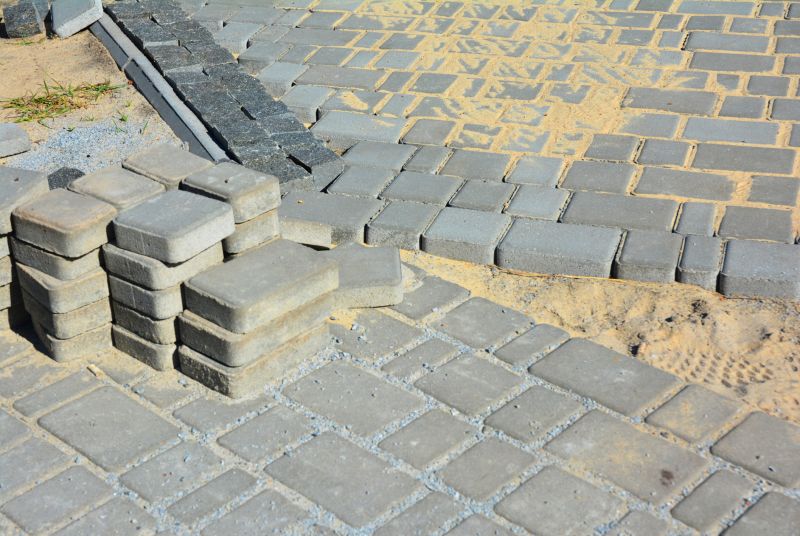
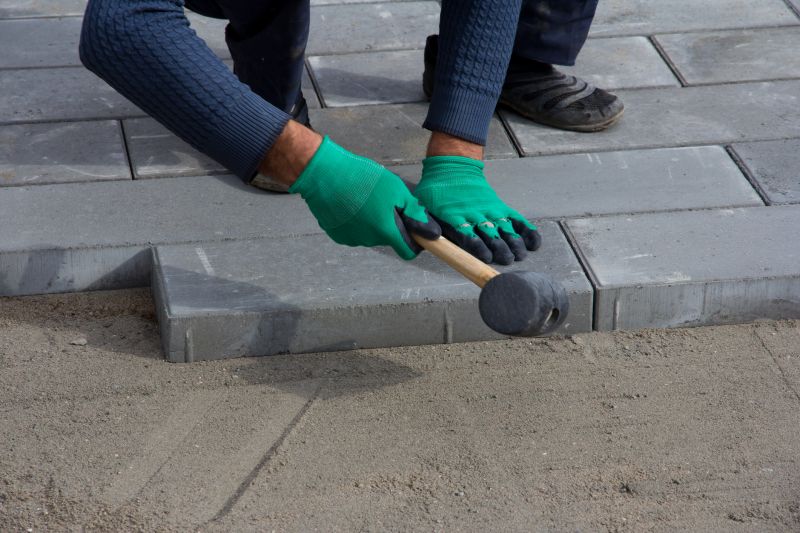
Understanding how the paver installation process works step-by-step can help property owners in the area plan their outdoor projects more effectively. Typically, local contractors start by preparing the site, which involves clearing the area and ensuring a solid foundation. This initial phase is crucial for achieving a durable and long-lasting surface, especially for driveways, walkways, or patios. Once the site is ready, the process continues with installing the base material, leveling it properly, and then carefully laying the pavers in the desired pattern. This straightforward sequence is common for many everyday projects, making it easier for property owners to see what to expect when hiring local service providers.
Many property owners seek out local pros for paver installation services because the process involves specific steps that require skill and experience. After the pavers are laid, the installation typically concludes with filling the joints and applying a sealing treatment to protect the surface. Knowing how each step fits into the overall process can help property owners understand the value of hiring experienced local contractors who can handle these tasks efficiently. Whether upgrading a backyard patio or installing a new driveway, understanding the typical steps involved in paver installation can make the project smoother and help property owners make informed decisions when choosing local service providers.
What are the main steps involved in the paver installation process? The process typically includes site preparation, designing the layout, laying a base layer, installing the pavers, and finishing touches such as joint filling. Local contractors can guide through each stage to ensure proper installation.
How do local service providers prepare the site for paver installation? They begin by clearing the area, excavating to the correct depth, and preparing a stable base to support the pavers, which helps ensure durability and proper drainage.
What role do local pros play in laying the pavers during installation? They carefully place the pavers according to the design, ensuring proper alignment and spacing, and then compact them to create a stable, even surface.
How is the joint filling process handled in paver installation? After the pavers are laid, local contractors fill the joints with sand or polymeric material, then sweep and compact it to lock the pavers in place and prevent shifting.
What are the final steps after installing pavers? The final steps include cleaning the surface, inspecting for any uneven areas, and performing any necessary adjustments to ensure a finished, polished look.
Site assessment and planning - property owners can work with local contractors to evaluate the space and determine the best layout for their paver project.
Preparation of the area - local service providers can help clear and level the ground to ensure a solid foundation for the installation.
Laying the base and pavers - professionals can expertly install the gravel or sand base and carefully place the pavers for a durable surface.
Finishing touches and cleanup - local pros can complete the project with joint filling and debris removal to leave a clean, finished area.
If you are thinking about how the paver installation process works step-by-step for a property, this guide is meant to help you understand this topic, the typical project types, and how different options might fit your plans.
When you are ready, you can use the quote form on this page to share a few details about your project. From there, local pros can review the basics and follow up with options that match what you have in mind.